10 February 2009

Followup: Maternal and Newborn Health

I just want to send out a few more items that may be helpful to those of you interested in learning about maternal and newborn health. Let's start in the U.S. In my last post I gave you the link to UNICEF's State of the World's Children address, but the publication offers little information about maternal mortality in the U.S. We need information about domestic maternity care, because the maternal mortality rate in the U.S. is currently the worst it has been in decades. One resource that offers great information (from mothers' perspectives) about maternity and postpartum care is Childbirth Connection's New Mothers Speak Out Report. Click on the link to read more about childbirth in America.

Moving back to international issues of maternal and newborn health: This video made me smile. You can read more about this awareness-raising campaign at Oxfam UK's website.


Also, might I recommend this photo gallery?

06 February 2009

Issue: Maternal and Newborn Health


The United Nations Children's Fund (UNICEF) recently released their annual report, The State of the World's Children, for 2009. Every year this report offers an in-depth look at one particular issue affecting children around the world. This year the report is entitled "Maternal and Newborn Health," and it assesses the health and well-being of pregnant women and new mothers and their babies around the world.

Doesn't the picture on the front sort of make your heart grow a few sizes?

I'm going to try to offer an overview of some of the issues presented in SOWC 2009, but obviously my efforts will be limited; the report is 158 pages long, packed with information. I really encourage you, if you're interested in this subject, to click here to read the report. You can view it as a pdf file or request a paper copy. The blocks of italics in this post are direct quotes from SOWC.

"In the developing world as a whole, a woman has a 1 in 76 lifetime risk of maternal death, compared with a probability of just 1 in 8,000 for women in industrialized countries. By way of comparison, the lifetime risk of maternal mortality ranges from just 1 in 47,600 for a mother in Ireland, to 1 in every 7 in Niger, the country with the highest lifetime risk of maternal death."

When we're talking about maternal deaths (the term used to describe deaths that occur during labor or as a result of labor), there are two types of causes. "Direct causes" are obstetric complications (like post-partum hemorrhage, infections, eclampsia, or obstructed labor), or complications from abortions. These causes may be labeled as actually causing the mother's death. But there are numerous other "indirect causes," as well, which contribute to the emergence of these direct causes. Common indirect causes of maternal death include:

*Anemia
*Poor nutrition
*Lack of birth spacing (e.g., having too many babies one after another, without giving the body time to recuperate)
*Malaria
*Iodine deficiency
*HIV/AIDS
*Undeveloped anatomy (e.g., young girls whose bodies are not developed enough to bear children)
*Inadequate hygiene (which can cause maternal-neonatal tetanus)
*Poverty

In other words, if a woman is sick and weak and undernourished, her chances of having a normal, uncomplicated labor are greatly diminished. This list is partial; there are many other factors--both biological and socio-cultural--that make labor more dangerous than it needs to be.

Obviously, the health of the laboring woman/new mother is inextricably linked with the health of her baby. These factors that contribute to unusually dangerous labors and serious health problems also contribute to health problems and deaths for newborn babies.

"The latest estimates from the World Health Organization, which date from 2004, indicate that around 3.7 million children died within the first 28 days of life in that year. Within the neonatal period, however, there is wide variation in mortality risk. The greatest risk is during the first day after birth, when it is estimated that between 25 and 45 percent of neonatal deaths occur. Around three quarters of newborn deaths, or 2.8 million in 2004, occur within the first week – the early neonatal period."

The ten countries with the highest death rate for children under the age of 5 are:
1. Sierra Leone
2. Afghanistan
3. Chad
4. Equatorial Guinea
5. Guinea-Bissau
6. Mali
7. Burkina Faso
8. Nigeria
9. Rwanda
10. Burundi

"Some 86 per cent of newborn deaths globally are the direct result of three main causes: severe infections – including sepsis/pneumonia, tetanus and diarrhoea – asphyxia and preterm births. Severe infections are estimated to account for 36 per cent of all newborn deaths. They can occur at any point during the first month of life but are the main cause of neonatal death after the first week."

There are so many ways to promote maternal and newborn health. One of the crucial keys is prenatal care and adequate nutrition. When women are well-nourished and healthy, most labors proceed well without complications. However, this is not as simple as it sounds; the current and ongoing World Food Crisis that is driving food prices up around the world is making it difficult for women to meet their basic nutritional needs, let alone consume the extra calories that pregnant women need. And lack of access to basic health care for infections and illnesses (such as malaria) makes women even more vulnerable to complications.

One crucial element to decreasing maternal and newborn mortality is to provide training and resources to traditional birthing assistants, or midwives. Training programs (like this one, in Afghanistan) can integrate traditional and modern knowledge about childbirth, and provide midwives with much-needed supplies (like soap, clean towels, razor blades, receiving blankets, etc.) and training on techniques they may not be familiar with (such as infant resuscitation). Increasing pregnant women's access (before, during, and after labor) to trained labor assistants can ultimately result in the following crucial elements:

*Better management of infectious diseases (Prevention of malaria has been shown to decrease premature births!)
*Ongoing promotion of breastfeeding
*Prenatal and antenatal visits and assistance
*Improved hygiene practices
*Treated mosquito nets to prevent malaria infections in mothers and newborns
*Kangaroo mother care (e.g., skin-to-skin contact and on-demand breastfeeding) for low-birthweight babies

And of course, it's important to improve access to emergency obstetric care for babies and women with life-threatening conditions. Then, some of the best ways to promote child survival are to ensure that the child is exclusively breastfed, provide access to basic health care and immunizations, and prevent the child from contracting diseases like malaria.

Let me just give one example of how adequate prenatal care and effective care-provider training can work together. In Africa and Asia, over 30 percent of maternal deaths result from postpartum hemorrhage. The risk of hemorrhage is greatly decreased when a woman is healthy and nourished, and a few basic techniques can prevent hemorrhage. For example, the World Health Organization recommends delaying the clamping and cutting of the umbilical cord until it stops pulsing; this alone significantly decreases the risk of hemorrhage.

In addition to all these logistical factors, there are many socio-cultural factors that need to be dealt with to improve women's and babies outcomes. Here are a few things that have been proven to have a positive effect on maternal and newborn health, according to SOWC:

*Increasing educational opportunities for girls
*Decreasing gender discrimination (and letting women make choices about their health care, rather than having those choices dictated by husbands or communities)
*Preventing child marriage and early child-bearing by undeveloped girls
*Abandoning female genital mutilation (which causes many extra complications for child-bearing, e.g., accelerating the risk of post-partum hemmorhage and obstetric obstruction)
*Involving men and adolescent boys in maternal and newborn health and care (and focusing on family units)
*Creating supportive environments for women and babies
*Stopping violence against women (One example here: A study of 400 villages in rural India revealed that 16% of all deaths among pregnant women were due to partner violence. Cross-culturally, rates of violence against pregnant women are high)

One thing that this particular report didn't mention, though, was the risks that can also come along with the overmedicalization of birth. For instance, in the United States, over 30 percent of women give birth via Cesarean section. Best estimates suggest that perhaps five to ten percent of births require Cesarean intervention (and, in fact, SOWC presents similar figures). Unnecessary C-sections result in a host of risks to mothers (permanent injury to the bladder or uterus, infection, blood loss, damaged bowel functioning, future pregnancy complications, death, etc.) and babies (premature birth, breathing/lung problems, cuts and injuries, side-effects of anesthesia, difficulty breastfeeding, etc.) The United States tends to have extreme cases: On one end of the extreme are women who can't afford access to basic prenatal health care; on the other end, the trend toward non-medically-indicated elective (and expensive) C-sections that pose considerably more risk than a normal vaginal delivery.

On the child mortality list that I mentioned earlier (where the highest child death rates are closest to the top of the list), the United States comes in at number 151 out of 189; this means that there are 37 countries with lower infant-mortality rates than the United States. The countries with the best statistics (meaning the most babies who survive infancy) tend to be countries that provide a "best of both worlds" approach, where women have adequate access to prenatal care, good nutrition, supportive cultures and systems, and care providers trained in supporting natural childbirth processes, as well as emergency care. In other words, the technology exists to save mothers and babies in obstetric emergencies (and people have access to it), but low-intervention births are still considered the ideal situation for women and babies.

In case you're interested, here's the list from 151 to 189, so you can see all the countries that have better child survival rates than the U.S. The best in the world? Sweden.

United States 8 151
Cuba 7 156
Hungary 7 156
Poland 7 156
Thailand 7 156
Australia 6 160
Canada 6 160
Croatia 6 160
Estonia 6 160
New Zealand 6 160
United Kingdom 6 160
Belgium 5 166
Cyprus 5 166
Israel 5 166
Republic of Korea 5 166
Malta 5 166
Netherlands 5 166
Switzerland 5 166
Austria 4 173
Czech Republic 4 173
Denmark 4 173
Finland 4 173
France 4 173
Germany 4 173
Greece 4 173
Ireland 4 173
Italy 4 173
Japan 4 173
Monaco 4 173
Norway 4 173
Portugal 4 173
San Marino 4 173
Slovenia 4 173
Spain 4 173
Andorra 3 189
Iceland 3 189
Liechtenstein 3 189
Luxembourg 3 189
Singapore 3 189
Sweden 3 189

26 January 2009

Issue and Action: Child Survival

Today I received a link to the 2009 letter from the Bill and Melinda Gates Foundation. I have been consistently impressed with the types of projects the Foundation takes on--and I love their motto, "All Lives Have Equal Value"--so I enjoyed reading Bill Gates's open letter describing the Foundation's successes and failures over the past year. You can read the full text of the letter here.

I was especially interested in the segment on preventing childhood deaths. This is a big deal to me. Some days I wake up and look at my one-year-old daughter and feel overcome with gratitude that she is still here with me; I often feel hyper-conscious of the nearly 11 million children who die before reaching the age of five every year. That's 29,000 children a day (21 children every second) who die, mainly of preventable causes. Every one of those children is as real and warm and tangible to their parents as my daughter is to me. This graph (from the letter) gives a breakdown of the causes of these childhood deaths:


As you can see in the graph, more than half of the child deaths are caused by diarrheal diseases and dehydration, pneumonia and malaria. All these illnesses are preventable and treatable. Sometimes Westerners are surprised to hear about the gravity of diarrhea, in particular, in less-developed regions of the world, but for children who are undernourished and continually exposed to risk factors (like unclean water supplies) these diseases can be death sentences.

Here's some good news: Child mortality rates is one area where great progress has been made over the past 50 years. Here's another graph from Bill Gates' letter:


Amazing, right? The rate of childhood deaths has been cut in half, thanks to fifty years of hard work by many individuals, communities, organizations and entities. What this statistic says to me is that we have the technology and experience to completely eliminate preventable childhood deaths. Diarrheal dehydration can be eliminated when communities have access to clean water supplies, when breastfeeding is encouraged, and when simple rehydration strategies are employed for children who have diarrhea. Pneumonia can be prevented through adequate nutrition and improved sanitation, and the treatment for pneumonia is well-established, which makes it a question of making that treatment easily accessible for all the world's families. And malaria can be prevented with the use of treated mosquito nets and antimalarial medications, as well as vector control. Treatment for malaria exists but needs to be made more widely available in order to save more people's lives.

One of my favorite initiatives to decrease child mortality rates is UNICEF's "I Believe in Zero" campaign. The idea is that with adequate resources and political will, we can improve distribution of existing technologies to ensure that ZERO children die of preventable diseases. Visit the website to sign a petition to President Obama, donate to the cause, and recruit your friends and associates (by putting a collection canister on your desk at work, or putting a banner or widget on your website or Facebook page, or getting the word out to your local media).

Please click here to sign a petition indicating your support for a Presidential Initiative to Accelerate Child Survival.

Then click here to access information about the Global Child Survival Act (introduced in the House and the Senate, H.R. 2266 and S. 1418). From the website you can send letters to your Senator and Representative.

And while you're at it, why not click here to access information about a host of other children's issues that you can become involved in? The U.S. Fund for UNICEF website makes it easy to lobby your officials and speak our on issues that are important to you because they are important to children.

I believe in zero. I hope you do, too.

22 January 2009

Book Review: Hungry Planet

I have a new obsession: the book Hungry Planet: What the World Eats by Peter Menzel and Faith D'Alusio. I had seen these photographs before: families from countries around the world photographed with a week's worth of food. They include photos like this one, from India:

This one, from the United States (Texas):

And this one, from Mali:


You can see more of the photos here and here.

But I really recommend getting your hands on the book; check your local library. In addition to the photographs and captions--which break down the total amount of money spent on food weekly, by food groups--the book also includes essays about each family included in the book and statistics about each country. There are also essays by such luminaries as Michael Pollan, plus recipes from each of the countries.

On one level, this book is a visual feast, a foray through countries and cultures. (In addition to the photographs of individual families, there are tons of gorgeous photos from each featured country.) But on a deeper level, this book is also a dip into some big and crucial global issues: global inequity in the distribution of resources, the very real existence of hunger in people's daily lives, the global coexistence of malnutrition and overnutrition, and the way changing eating patterns and food-marketing patterns are contributing to an increase in diseases like diabetes and cancer. It's eye-opening to think about where each of us would fit into this global portrait, and what that really means.

11 January 2009

Book Review: Mountains Beyond Mountains


I have a new hero; his name is Paul Farmer. After reading this book by Tracy Kidder (the full title is Mountains Beyond Mountains: The Quest of Dr. Paul Farmer, a Man Who Would Cure the World, I have a sense of Paul Farmer as being a kind of edgy, smart-alecky Mother Teresa. With his medical degree from Harvard and a lifelong interest in liberation theology and social justice issues, Farmer established Partners in Health, a non-profit dedicated to providing a preferential option for health care for the poor. Farmer also founded Zanmi Lasante, a health clinic in a poor rural area in Haiti. He is this incredibly intense, focused, and passionate character who has literally given all he has to improving health in less-developed countries. Plus--and I love this--the book describes his efforts to merge medicine and anthropology, in the quest to provide improved health outcomes while still respecting cultures and identities and beliefs. Farmer has done more in his lifetime than I can even comprehend, and Mountains Beyond Mountains takes you around the world with him, from Peru to Russia.

After reading Mountains Beyond Mountains, I am definitely planning on reading some of the books that Farmer has authored (like this one and this one), but I recommend Mountains Beyond Mountains. It's a good introduction to public health issues (particularly tuberculosis and AIDS), and provides a really compelling picture of the way economic inequality translates into increased risk of illness and death for the poor.

By the way, if you live in the Boston area, Dr. Farmer will be speaking at Boston University on January 19 for Martin Luther King Jr Day. Click here for more details about the event. Maybe I'll see you there...

08 January 2009

Blogroll

I'm adding a new feature to the already-overly-cluttered sidebar: a blogroll (finally). Let me recommend a few great blogs that focus on international/cultural issues (or just do a really great job of evoking empathy):

Woman Stats. The Woman Stats Project, headed up by Valerie Hudson, one of my favorite and most influential college professors, is "the most comprehensive compilation of information on the status of women in the world." The whole website is a fantastic resource for information about women's issues around the world, and the blog highlights specific issues and stories from the researchers.

Globo Diplo. This blog, written by Cory Leonard, another faculty member who provided me with lots of guidance and support during my college years, focuses on current events and issues related to international diplomacy.

(How) Culture Matters. Another of Cory's blogs, but this one deals more with culture: cultural sensitivity, cultural communication, and current events related to why and how culture matters.

UNICEF Field Notes
. This one contains reports from UNICEF's global field operations on issues related to child survival, health, protection, etc. Really extensive and really important.

Raise Hope for Congo Blog. Updates from Enough's programs on what's happening in Democratic Republic of the Congo, and what you can (should) be doing.

K. Anane Poku's Blog. This one belongs to a classmate of mine who is getting his Masters degree in Intercultural Relations. Thoughts on culture, race, and intercultural communication.

Story Corps Blog. If you're not familiar with NPR's Story Corps program, read more about it here. Then check out this blog for up-close and personal, deeply humanizing glimpses into the lives of strangers.

If you know of another blog that is relevant to Fissures in Reality, please leave a comment with the URL so that I can include it on the blogroll. Eventually I'll be constructing some kind of a links page, with links to organizations and government pages, but for now let's just stick with blogs. One thing at a time :)

05 January 2009

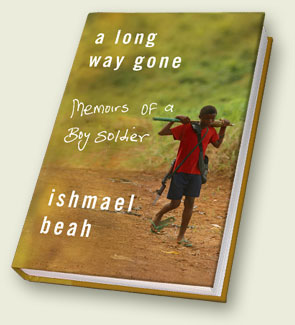
Book Review: A Long Way Gone


This week I read Ishmael Beah's book A Long Way Gone: Memoirs of a Boy Soldier. I really recommend it; it is hard to read, but I think the international community owes it to Beah to read this book, get sensitized, and then get passionate and angry about the fact that children are being used as soldiers in numerous conflicts around the world.

This book provides an up-close look at the plight of child soldiers in the civil war in Sierra Leone (which ended in 2002). The conditions described can probably be generalized to many other child soldiers as well. In the 1990s, Sierra Leone was embroiled in a brutal civil war that resulted in the deaths of tens of thousands of people, and displaced more than one-third of the country's population. Both government forces and armed rebel groups recruited and forcibly conscripted children into their armed forces. (This practice continues in a number of ongoing conflicts today--see here, here and here for examples.)

When Beah was thirteen years old, he was conscripted into the national army, and went through "training" to become a soldier. Aside from the training in weapons, the children received a steady diet of drugs and Rambo movies (something that makes me feel really ashamed of Hollywood), and then they were thrust into combat and instructed to kill "anything that moved." Symptoms of post-traumatic stress were treated with cocaine and marijuana. For several years, Beah traveled with the army, attacking villages and rebel camps, and killing people in brutal ways. I can't imagine how painful it must have been for Beah to revisit these events in order to write the book. He doesn't flinch. He tells the truth.

At age 16, Beah was removed from the army by UNICEF and placed in a rehabilitation center. After a challenging rehabilitative period, Beah's path took him to testify before the United Nations, meet with international conferences of youth, and ultimately live in the U.S. and attend college here. It's clear, reading the book, that Beah is a naturally gentle and forgiving spirit, and one of the messages of the book is that under certain circumstances, all people are capable of great acts of brutality. Also, under certain circumstances, we are all capable of reclaiming our humanity.

In the end, A Long Way Gone is a harrowing look at the horrific treatment of children involved in conflict situations --and a graphic and heartbreaking look at war in general-- but it is also a story about hope and the power of rehabilitation. In Beah's words, from an occasion when he spoke before the UN Economic and Social Council: "I have been rehabilitated now, so don't be afraid of me. I am not a soldier anymore; I am a child. We are all brothers and sisters. What I have learned from my experiences is that revenge is not good... If I am going to take revenge, in that process I will kill another person whose family will want revenge; then revenge and revenge and revenge will never come to an end."

You can read more about Beah and the book on his website. I was also interested to read the perspective of the New York Times book review.